What Green Hills Nashville Lifestyle Really Feels Like
June 25, 2026
June 25, 2026
If you only know Green Hills for its mall, you are missing a big part of what everyday life here actually feels like. This pocket of Nashville blends busy retail corridors with quiet residential streets, neighborhood parks, and easy access to larger outdoor spaces nearby. If you are wondering what it is really like to live in Green Hills beyond the shopping, this guide will help you picture the daily rhythm, housing mix, and lifestyle tradeoffs. Let’s dive in.
Green Hills works as more than a shopping district because its daily life is layered. You have major retail and dining anchors, but you also have established streets, older homes, and a neighborhood layout shaped by careful planning over time. Metro’s Green Hills-Midtown plan notes that the area has nine urban design overlays, which shows how much attention has gone into form, scale, and compatibility.
That planning history matters because it helps explain why Green Hills often feels both active and residential. The neighborhood began developing in the late 1920s, and early descriptions highlighted its land, air, and shade trees. Even now, that legacy shows up in the leafy feel and established character that many people notice right away.
One of the strongest lifestyle advantages in Green Hills is convenience. You can often build a full day around short drives between coffee, groceries, lunch, and a few practical stops. That mix makes the neighborhood feel livable, not just busy.
Hill Center Green Hills adds to that everyday ease with a blend of office space, retail, and dining. The Mall at Green Hills sits less than five miles from downtown and serves a broad stretch of nearby communities, so it remains a major anchor. Still, it is only one part of the neighborhood story.
A typical morning in Green Hills can start simply. The Well Coffeehouse on Granny White Pike is set up for everything from a solo work session to a quick meet-up with a friend, and it opens early. If you are already planning a shopping stop, there is also a Starbucks inside The Mall at Green Hills.
That may sound like a small detail, but it says a lot about the neighborhood. In Green Hills, many routines can happen close together. Coffee, errands, and meetings often fit into the same stretch of your day.
Green Hills also gives you a broad dining mix without requiring a long plan across town. Hill Center Green Hills highlights options like Doughbird Pizza + Chicken, Taco Bamba, Shake Shack, and Whole Foods, with a range of lighter and heartier choices. The mix spans quick meals, casual meetups, and more polished settings.
If you want a slightly different pace, Härth at Hilton Nashville Green Hills serves breakfast, lunch, and dinner, along with a rooftop bar and lounge. Taziki’s notes that its Green Hills location is within walking distance of the mall. For evenings, The Bluebird Cafe adds a distinctly Nashville option with its listening-room setting.
Yes, Green Hills is known for shopping, and that reputation is earned. The Mall at Green Hills includes more than 125 stores and restaurants, with Tennessee’s only Nordstrom, RH Nashville, a flagship Dillard’s, and several luxury brands. For many buyers, that level of access is a real quality-of-life feature.
But shopping here is not just about the mall. Hill Center Green Hills brings in a more boutique-focused feel, mixing nationally recognized names with locally owned shops. That combination gives the neighborhood a more textured rhythm than a single large retail destination could on its own.
Green Hills may feel polished and convenient, but it also supports a practical outdoor routine. You do not need to plan a full day away to get fresh air, a short walk, or some time outside. That balance is one reason the neighborhood appeals to people who want city convenience without feeling fully disconnected from green space.
Green Hills Park, at 1200 Lone Oak Road, is a 12-acre Metro park next to John Trotwood Moore Middle School. It includes a one-third-mile walking path, softball fields, a batting cage, playground equipment, tennis courts, a picnic pavilion, and six disc golf baskets. In everyday terms, that means it works well for quick walks, casual outings, and easy after-school or after-work stops.
It is not the kind of park that requires a big production. Instead, it fits into normal life. That matters if you value outdoor access that feels practical and repeatable.
When you want a more immersive outdoor setting, larger options are close enough to shape your weekends. Radnor Lake State Natural Area is a major nearby draw, and Tennessee State Parks highlights the lake’s spillway, dam walkway, and Lake Trail to Middle Bridge as standout birding routes. Warner Parks offer another scale entirely, with more than 3,100 acres of forest and field, plus hiking trails, mountain biking, equestrian facilities, scenic roads, dog areas, and golf.
That combination is part of what makes Green Hills distinctive. Your weekdays can feel efficient and urban, while your weekends can lean much more nature-focused without a long reset. Metro’s greenway system also reinforces this broader Nashville pattern of linking neighborhoods to parks, schools, shopping, and work.
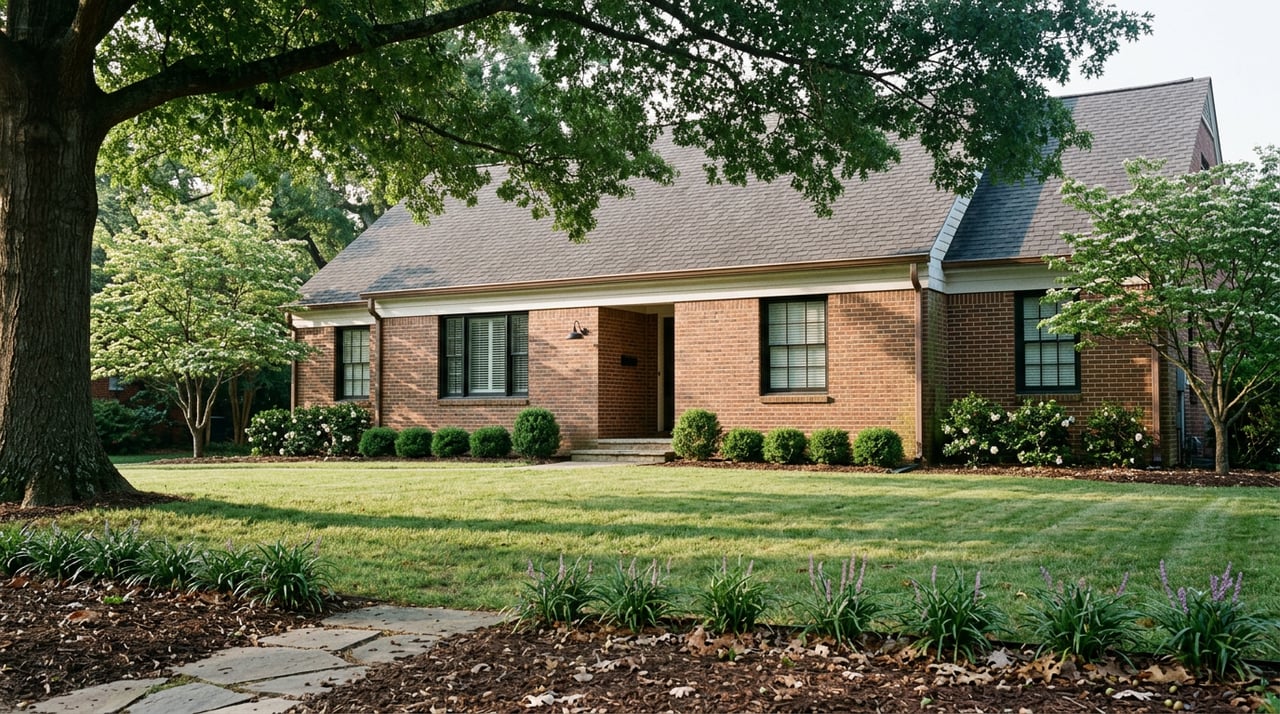
The strongest surprise for some buyers is how residential parts of Green Hills still feel once you move off the busiest corridors. In the Green Hills-East area, Metro’s neighborhood conservation materials describe development starting in 1925, with a high-integrity collection of homes from the 1920s through the 1940s. Streets like Bonner Avenue, Burton Avenue, Eden Avenue, Green Hills Drive, and Observatory Drive help define that older neighborhood fabric.
Many of these interior streets feature one- and two-story residences on subdivided lots. Some were built without sidewalks, which adds to the older street pattern still visible today. Metro’s neighborhood history also describes the area as a respite from urban living, with quiet streets, old-growth trees, and many original buildings.
It is easy to assume Green Hills is one single housing type at one single price point. In reality, the housing stock is much more mixed. Community-plan materials describe single- and two-family homes, accessory dwelling units, townhouses, low-rise stacked flats, cottage developments, newer for-rent stacked flats, and owner-occupied condos.
Style also varies across the neighborhood. Homes.com highlights ranch homes, Minimal Traditionals, Cape Cods, Greek Revivals, Tudor Revivals, newer traditional homes, and contemporary homes. So whether you are looking for older character, newer attached living, or a more design-forward home near commercial corridors, Green Hills offers more range than its reputation sometimes suggests.
Green Hills is clearly an expensive Nashville neighborhood, but the market does not sit at just one level. Public spring 2026 snapshots place the area in the high six figures to low seven figures depending on source and metric. Redfin reported a Green Hills-Midtown median sale price of about $1.15 million, Realtor.com reported a Green Hills median listing price of about $1.35 million, and Homes.com reported a Green Hills median sale price of about $980,000.
Those numbers are best read as broad signals, not exact pricing for every property type. Homes.com also showed a median single-family sale price of about $1.39 million and a median townhouse sale price of about $1.36 million, while smaller condo price points can be much lower. For you as a buyer or seller, the key takeaway is that Green Hills has entry, move-up, and luxury tiers rather than one flat market.
In practical terms, Green Hills tends to suit people who want convenience without giving up neighborhood character. You can run errands, meet for coffee, pick up groceries, and choose from a wide range of dining options without straying far from home. At the same time, you can still find older streets with mature trees and homes that feel rooted in Nashville’s earlier growth.
That mix is also why Green Hills continues to appeal to a broad range of buyers. Some are drawn to established homes on interior streets. Others prefer newer condos, townhomes, or homes closer to the commercial core where convenience is the main advantage.
For sellers, that lifestyle story matters just as much as square footage or finishes. Buyers are often responding to the full pattern of life a neighborhood supports. In Green Hills, that pattern is about more than the mall. It is about how easily your home, errands, dining, and outdoor time can all fit together.
If you are thinking about buying or selling in Green Hills, working with an advisor who understands both the neighborhood’s housing mix and its lifestyle nuances can make a real difference. For a private, design-minded approach to navigating the Green Hills market, connect with Angela Peach.
Stay up to date on the latest real estate trends.
October 1, 2026
September 24, 2026
September 17, 2026

September 10, 2026
September 3, 2026
August 27, 2026
August 20, 2026
August 13, 2026
August 6, 2026
Real estate is more than just a process or a transaction; it is a journey and a destination. As a multi-million and top 1% producer in the Greater Nashville area, Angela and her team can seamlessly guide you throughout all your real estate ventures.