Franklin Historic vs New Homes: Downtown Charm or New Communities?
March 5, 2026
March 5, 2026
Torn between a 1900s charmer steps from Main Street and a newer home with pools and trails? You’re not alone. Franklin gives you two very different ways to live well, and both come with real benefits and real tradeoffs. In this guide, you’ll learn how historic districts and newer planned communities compare on lifestyle, rules, maintenance, and long‑term value so you can choose with confidence. Let’s dive in.
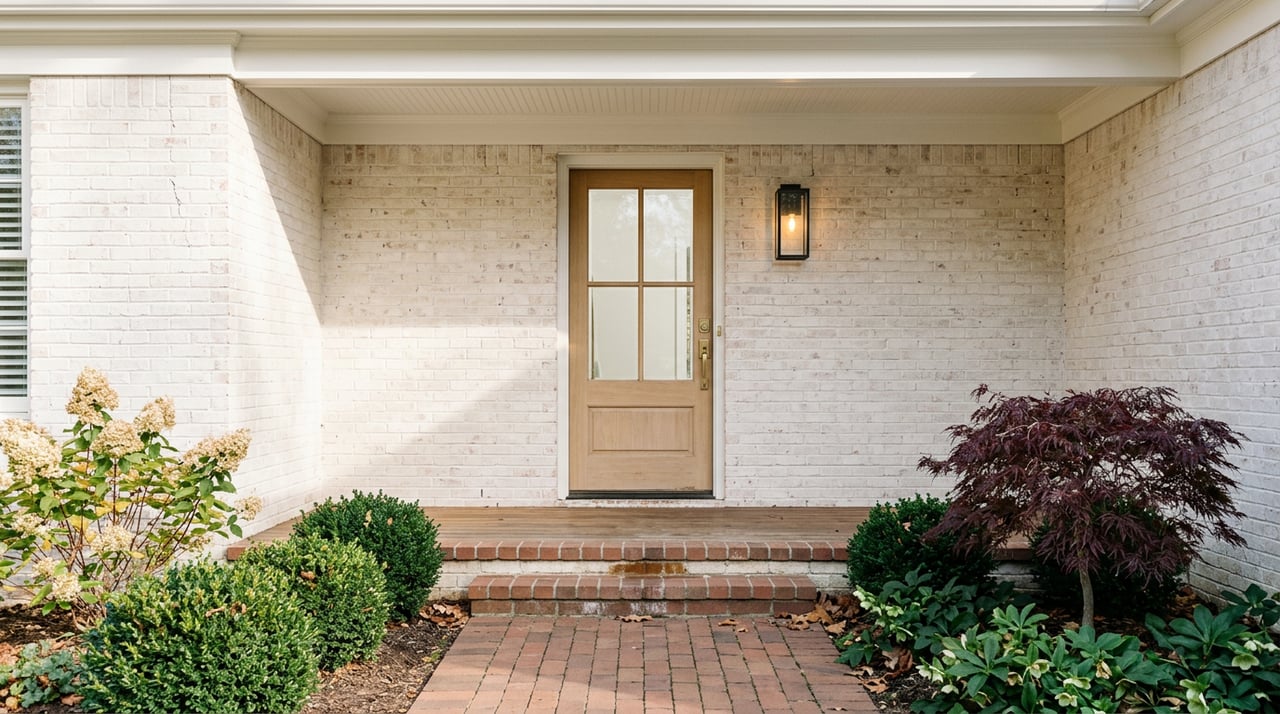
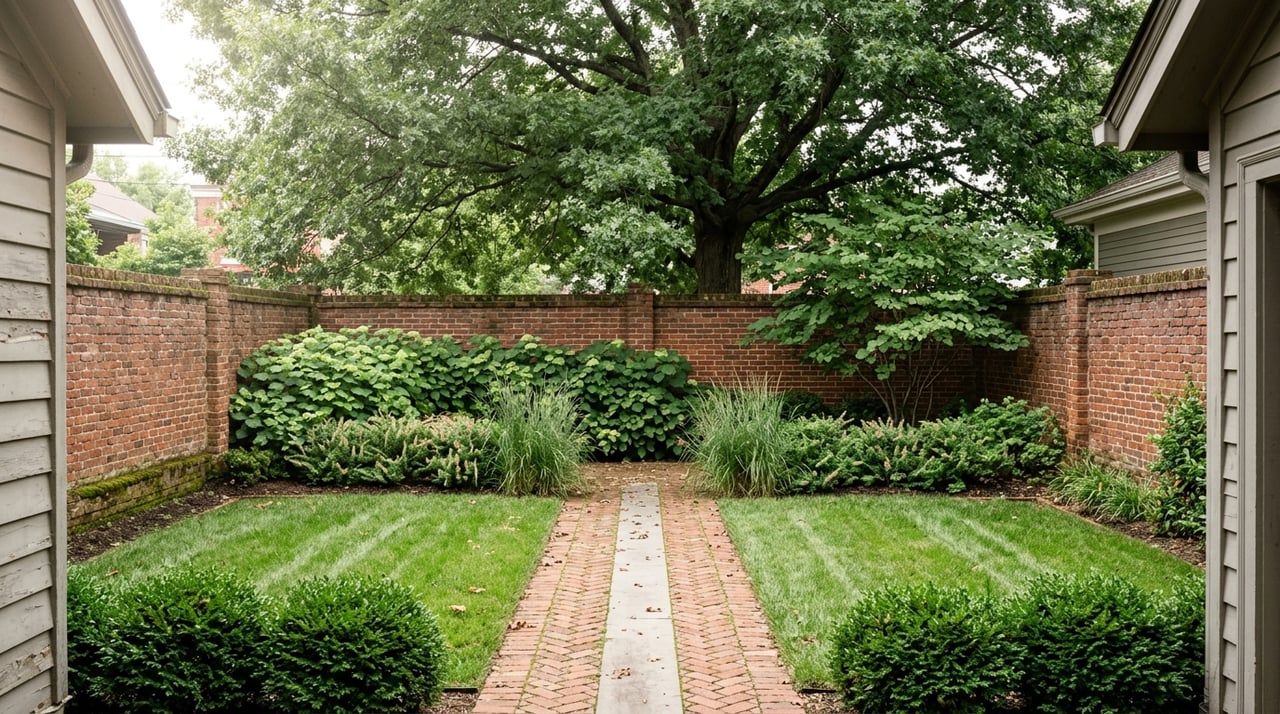
Historic Franklin neighborhoods close to Main Street showcase 19th and early 20th century architecture. You’ll see Federal, Greek Revival, Victorian and Queen Anne, Italianate, and early Craftsman bungalows. Lots tend to be compact with narrower side yards. Many homes predate the era of driveways and attached garages, so on‑street parking is common and large additions can be challenging.
If you prize walkability, downtown is tough to beat. You’re steps from Main Street shopping and dining, heritage sites like Lotz House and Carnton, and parks including Pinkerton Park and Harlinsdale Farm Park. City and visitor guides emphasize downtown’s pedestrian‑friendly core and cultural life. Explore the district feel through this city visitor resource.
Many blocks near Main Street sit inside Franklin’s Historic Preservation Overlay. In these areas, visible exterior changes often require a Certificate of Appropriateness. That includes additions, new construction, relocations, demolition, non‑in‑kind siding, windows, roofing, fences, and some mechanical work. Routine repainting and like‑for‑like repairs usually do not. Start with the City’s COA process, then review the historic district design guidelines. Expect added lead time and material standards that shape design, cost, and schedule.
Older homes often carry more frequent or specialized upkeep. A common rule of thumb is to budget 1%–3% of the home’s value per year, with the understanding that older systems can push higher in years when roofs, HVAC, or plumbing are due. For health and safety, assume pre‑1978 homes may contain lead‑based paint. Federal rules give you the right to receive lead information and to test before you buy. Learn more in the EPA/HUD guide to lead‑safe practices. Some older materials can also contain asbestos. If you plan to disturb suspect materials, review the EPA’s guidance on indoor air quality and asbestos and use certified pros for testing or abatement.
Franklin’s downtown corridor is near the Harpeth River, and parts of the area have experienced flooding. Flood zone can impact insurance and retrofits, so run a parcel‑level map check and ask for any elevation certificate. Local context is summarized on Williamson County’s flood history page.
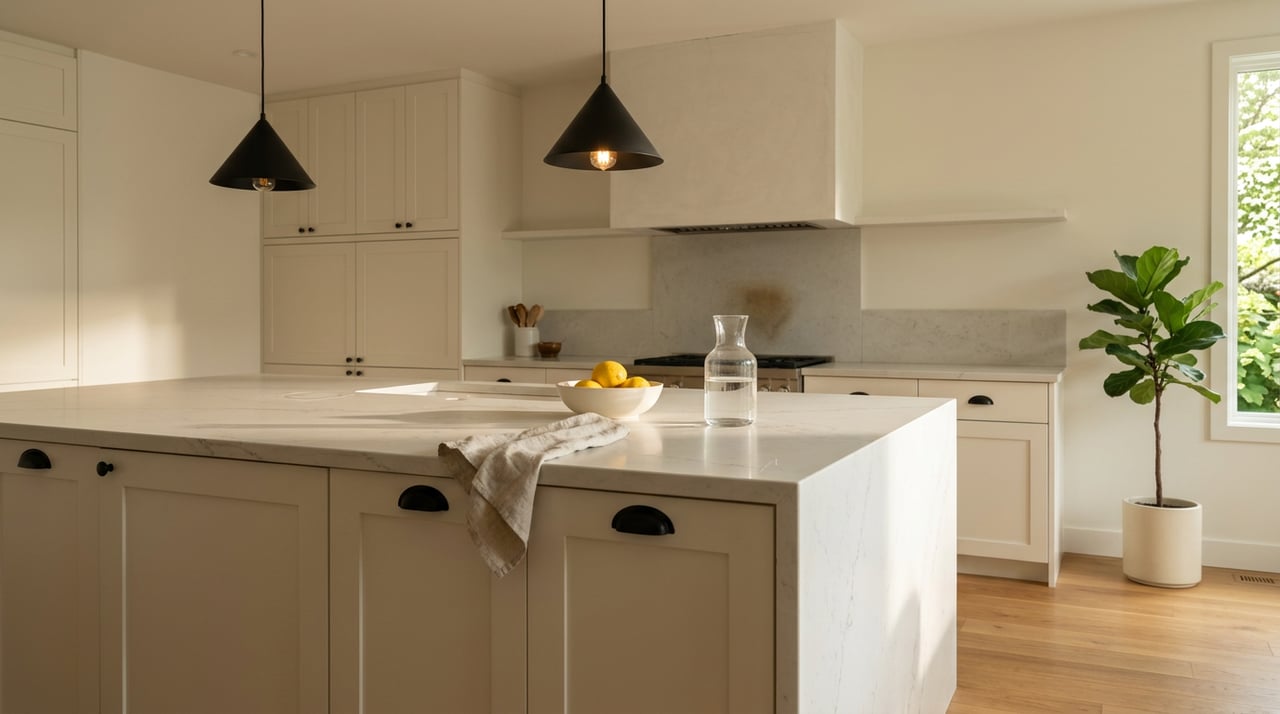
Master‑planned neighborhoods like Westhaven and Berry Farms offer homes built mostly from the 2000s through the 2020s. You’ll typically find open floor plans, attached garages, modern kitchens, and larger primary suites. Many include resident amenities such as clubhouses, pools, fitness, trails, and sometimes on‑site retail. For a sense of programming and amenities, browse Westhaven’s community site.
HOA dues and coverage vary by product type and amenity package. Local listings show Berry Farms condo and townhome fees often in the $270–$400+ per month range for communities with pools, clubhouses, and landscaping. Westhaven examples show dues roughly in the $199–$439 range depending on section and whether dues are billed monthly or quarterly. Always request the HOA’s budget, reserve study, meeting minutes, and CC&Rs. Healthy reserves lower the chance of special assessments for big common‑area projects. Review rules on exterior maintenance, rental limits, and pets so the lifestyle matches your plans.
If you are considering a new or recent build, confirm what the builder covers and for how long. Many production and semi‑custom builders use staged warranties, often one year for workmanship, two years for key systems, and up to ten years for structural elements. Ask whether a third‑party structural warranty provider is included. You can read more about typical coverage structures at 2‑10 Home Buyers Warranty.
Franklin is a premium Nashville‑area market with prices well above national averages. Price snapshots differ by data source. For example, Redfin reported a median sale price around $875,000 in January 2026. Zillow and Realtor.com publish different medians due to different methods. The key is to cite one provider and date for your baseline, then have your agent refine by neighborhood and property type.
On long‑term value, preservation research suggests well‑maintained historic districts can show strong demand and resilient appreciation thanks to scarcity, walkable cores, and cultural appeal. A national summary of findings is available through Main Street’s “Older, Smaller, Better” research overview at Main Street America. In newer communities, resale strength is shaped by school zoning, builder reputation, amenity quality, and HOA health. As neighborhoods mature and amenities stabilize, values often find a strong footing.
Choose downtown historic if you:
Choose a newer planned community if you:
Wherever you land, model your carrying costs with taxes, insurance, HOA dues, and a 1%–3% annual maintenance budget. A quick ownership cost refresher is available from Quicken Loans.
Ready to compare real properties and not just ideas? With a design‑forward eye and deep Franklin market knowledge, we help you weigh the tradeoffs in real time, estimate renovation paths, and spot value drivers in both historic districts and master‑planned communities. For a private, tailored plan, connect with Angela Peach to Request a private consultation.
Stay up to date on the latest real estate trends.
September 24, 2026
September 17, 2026

September 10, 2026
September 3, 2026
August 27, 2026
August 20, 2026

August 13, 2026
August 6, 2026
August 6, 2026
Real estate is more than just a process or a transaction; it is a journey and a destination. As a multi-million and top 1% producer in the Greater Nashville area, Angela and her team can seamlessly guide you throughout all your real estate ventures.