Leave a Message

Thank you for your message. We will be in touch with you shortly.

Appraisal Gaps In East Nashville, Explained

December 18, 2025

Appraisal Gaps In East Nashville, Explained

Have you heard friends talk about “covering the gap” to win a home in East Nashville? In a fast-moving market, appraisals do not always keep pace with contract prices, and that can create stress if you are financing. You want to compete confidently without overpaying or risking your loan. In this guide, you will learn what appraisal gaps are, why they happen in East Nashville, how to structure strong offers, and what to do if value comes in low. Let’s dive in.

What an appraisal gap really means

An appraisal gap is the shortfall when the lender’s appraisal comes in lower than your contract price. Lenders base the loan on the lower of the appraised value or the purchase price. If value is low and you still want to close at the agreed price, you must bring the difference in cash or renegotiate.

It helps to separate appraisals from inspections. An appraisal estimates market value for the lender and checks basic marketability. An inspection evaluates condition so you can understand defects and repair needs. They serve different purposes, and only the appraisal drives loan amount and loan-to-value ratios.

You will see a few terms as you shop:

  • Appraisal contingency: a clause that lets you renegotiate or cancel if the appraisal is low.
  • Appraisal gap coverage or guarantee: a promise to pay a set amount above the appraised value in cash.
  • Appraisal waiver: in some cases, a lender can approve a loan without a new appraisal, subject to program eligibility.

Why gaps happen in East Nashville

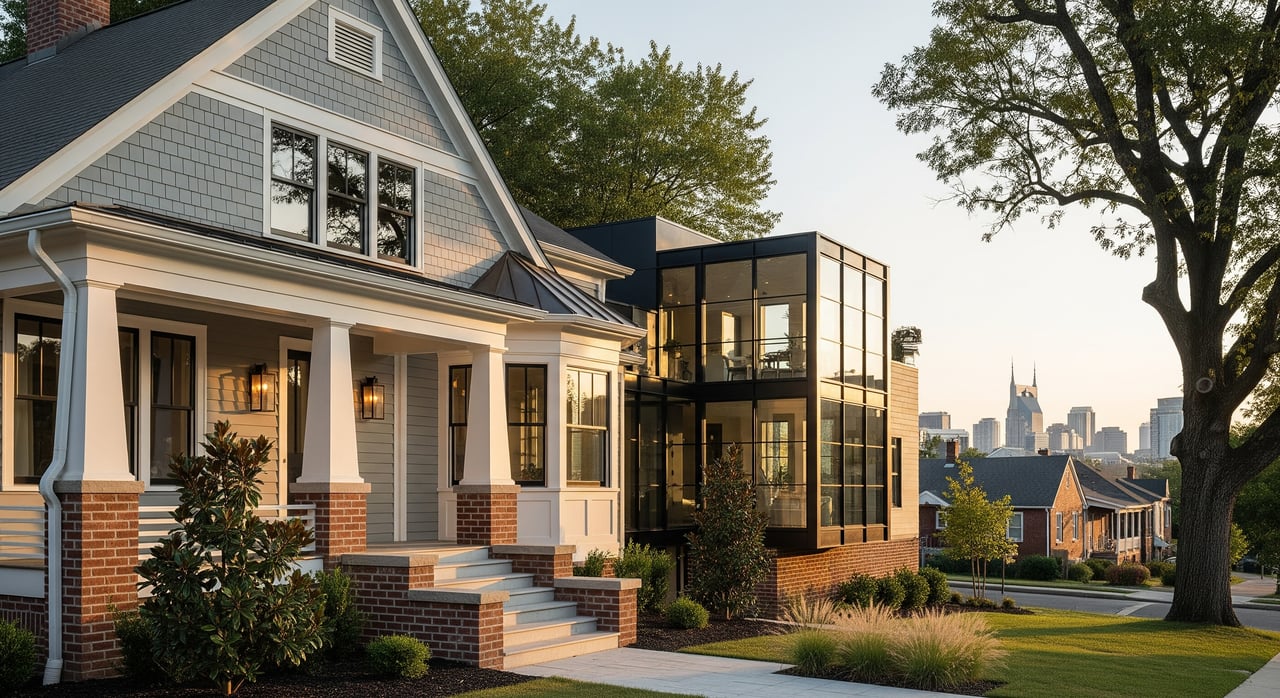
East Nashville is close to downtown and known for a mix of older bungalows, renovated homes, new infill, small-lot developments, and some condos. Walkable pockets and easy access to restaurants and amenities add to demand. Different blocks can behave like their own micro-markets, which makes valuation tricky.

Here are the common drivers of appraisal gaps locally:

  • Rapid appreciation: Closed comparable sales can lag current contract prices when demand jumps.
  • Limited comps: Unique renovations, one-off floor plans, or new builds may not have truly similar nearby sales, so appraisers lean conservative.
  • Cash and aggressive terms: All-cash closings or offers with waived contingencies can push accepted prices higher than what financed buyers’ comps support.
  • Renovation and new construction premiums: High-quality rehabs or spec homes often command premiums that recent sales do not yet reflect.
  • Appraiser assignment and workload: In hot periods, appraisers covering a wider radius or juggling heavy workloads may increase value variability between reports.

When you blend fast-changing prices with a patchwork of property types, you get more chances for a low appraisal even when buyer demand is strong.

How to compete before you write an offer

You want to look strong without exposing yourself to unnecessary risk. Focus on certainty, clarity, and cash planning.

Build certainty for the seller

  • Get a strong pre-approval and shorten your financing timeline when possible.
  • Share clean documentation and be ready for quick milestones. Sellers value a clear path to close.

Structure price and contingencies wisely

  • Consider an appraisal gap clause, but only after confirming with your lender and agent that the cash is allowable and available.
  • A simple structure is common: “Buyer will pay up to $X of any difference between appraised value and contract price in cash at closing.” Coordinate final wording with your agent and legal counsel.
  • Use an escalation clause with a firm cap that fits your budget. You can pair escalation with an appraisal contingency or a capped gap provision.

Plan your cash and show strength

  • A larger down payment or strong cash reserves can reduce underwriting friction and improve your perceived certainty.
  • Include clear proof of funds. Sellers want to know you can perform if the appraisal misses.

Be cautious about waiving the appraisal contingency

  • Waiving the contingency makes your offer very competitive but means you agree to cover any shortfall in cash.
  • Most loans still require an appraisal unless you qualify for a waiver. If a waiver is possible, your lender will explain eligibility before you rely on it.

What to do if the appraisal is low

A low appraisal is not the end. You have several paths forward. Choose the one that preserves your goals and risk tolerance.

Ask for a price reduction

Your first move is often to request that the seller lower the price to the appraised value. If that is not feasible, you can discuss splitting the difference or structuring other concessions.

Cover the gap in cash

If you have the funds and the numbers still make sense, you can bring cash to cover all or part of the gap. Confirm with your lender that the source of funds is acceptable during underwriting.

Renegotiate to meet in the middle

You can often find a compromise that works for both sides. Examples include splitting the difference, a limited credit, or other terms that make the deal work without changing the closing date.

Request a reconsideration of value

Ask your lender about a reconsideration of value process. You can submit additional or stronger comparable sales, corrections, or documentation of upgrades the appraiser may have missed. Lenders have formal review steps, and appraisers must follow professional standards. Provide data, not pressure.

Explore a second opinion or alternate financing

Some lenders may allow a second appraisal or an appraisal review by a different appraiser. Policies vary, and there is a cost. You can also ask your lender if a different loan program with different loan-to-value limits makes sense for your situation.

Use your appraisal contingency to cancel

If your contract includes an appraisal contingency and the gap is beyond your comfort zone, you can cancel within the allowed timelines and recover your earnest money as the contract provides.

How lenders apply appraisals and program rules

Understanding the mechanics helps you decide your next move.

The lower of price or value

Lenders size your loan to the lower of the contract price or appraised value. If value is low, the loan amount adjusts down, which may require a higher cash contribution to close at the agreed price.

Loan types in brief

  • Conventional: Often the most flexible, and sometimes eligible for appraisal waivers on lower-risk files.
  • FHA: Includes minimum property requirements and can be more conservative on condition concerns.
  • VA: Has its own rules and property standards. Processes for addressing shortages are specific to the program.
  • Jumbo: Nearly always requires an appraisal, and lender policies on valuation can be more conservative.

When an appraisal waiver helps

On certain conventional loans, automated underwriting can approve a property without a new appraisal if the risk profile is low and data supports it. Waivers are not guaranteed. If you are counting on one, align expectations with your lender early.

How appraisal reviews work

You can suggest comps and corrections through your lender’s process. Provide recent closed sales that closely match the subject’s size, condition, and lot, plus photos, renovation invoices, and clear notes. Appraisers must rely on market data and cannot be asked to hit a target number.

Risks, trade-offs, and smart due diligence

You want to win the home and protect your finances. Use this lens as you weigh options.

Risks if you agree to gap coverage

  • Overpaying risk: Paying above current market indicators reduces near-term equity and increases exposure if prices level off.
  • Reduced liquidity: Using cash for a gap can limit funds for repairs, emergencies, or reserves.
  • Program constraints: Some loan programs treat cash contributions differently. Confirm treatment with your lender in advance.

Risks if you keep the appraisal contingency

  • Competitive disadvantage: In multiple-offer scenarios, sellers may favor offers with stronger appraisal terms or cash.

Due diligence checklist

  • Align on your price ceiling: Decide the top price and maximum gap you will cover before you bid.
  • Confirm lender policies: Ask about waiver likelihood, the reconsideration process, second appraisals, and treatment of gap clauses.
  • Verify cash and documentation: Ensure you have liquid funds that your lender will accept and that you can document.
  • Prep a comps packet: Work with your agent to assemble strong recent sales that match the home’s size, beds, baths, lot, and finish level. Share with the appraiser through your lender when allowed.
  • Evaluate condition: For renovated or unique homes, consider a contractor walk-through before offering to gauge hidden costs.
  • Use state-approved forms: In Tennessee, lean on local association forms and consult your agent or attorney before using non-standard addenda.

A simple decision framework

  • If the gap is small and you have reserves, consider paying it to preserve the deal.
  • If the gap is moderate, attempt a split or pursue a reconsideration of value while negotiating.
  • If the gap is large and market data supports the lower value, consider canceling under your contingency and refocusing on better-supported properties.

The East Nashville advantage with a local advisor

Micro-markets in East Nashville can move very differently street by street. A local advisor helps you position your offer based on the strongest comparable sales, structure appraisal language that fits your financing, and prepare a compelling package for both the seller and the appraiser. That includes a clean pre-approval, proof of funds, and a comps packet that highlights true peers for the home you want.

You can also reduce appraisal risk by targeting properties where recent nearby sales support your price or by accessing opportunities before they hit peak competition. Off-market options and select private channels can sometimes lessen bidding pressure, which lowers the chance of an appraisal coming in short. The key is a clear plan, smart preparation, and disciplined execution.

If you want to buy in East Nashville with confidence, connect for a strategy session that blends local market knowledge with clear, lender-aligned execution. Request a private consultation with Angela Peach to build your plan.

FAQs

What is an appraisal gap in East Nashville?

  • It is the difference when your home’s appraised value comes in below your contract price, which reduces the loan amount and may require you to bring extra cash or renegotiate.

If my Nashville appraisal is low, will my lender cancel my loan?

  • No, the lender sizes your loan to the appraised value; you can bring cash to cover the gap, renegotiate terms, or cancel if your contract allows.

Can a seller in East Nashville pay the appraisal shortfall?

  • Yes, the seller can lower the price or offer a credit within program limits, or you can split the difference by agreement.

How common are low appraisals in East Nashville right now?

  • Frequency varies by block and timing; unique renovations, new infill, or areas with few comparable sales see more low appraisals because closed sales lag fast-moving prices.

Do conventional loans in Nashville allow appraisal waivers?

  • Sometimes, if automated underwriting approves your file and the property risk is low; waivers are not guaranteed and depend on loan parameters.

What is a reconsideration of value for a low appraisal?

  • It is a lender-managed review where you submit stronger comparable sales or corrections for the appraiser to evaluate under formal standards.

Ready for the real estate experience you deserve?

Start the Journey

Work With Us

Real estate is more than just a process or a transaction; it is a journey and a destination. As a multi-million and top 1% producer in the Greater Nashville area, Angela and her team can seamlessly guide you throughout all your real estate ventures.

Follow Angela's Instagram