Leave a Message

Thank you for your message. We will be in touch with you shortly.

How Appraisals Work In Brentwood

January 15, 2026

How Appraisals Work In Brentwood

Is your Brentwood home unique, custom, or set on acreage, and you’re wondering how an appraisal will treat all those details? You’re not alone. High-end properties in Williamson County often have special features that do not slot neatly into standard comps, which can make the appraisal feel opaque. In this guide, you’ll learn how appraisals work, what appraisers prioritize in Brentwood, and exactly how to prepare your home so the report reflects its true market position. Let’s dive in.

What an appraisal is and who orders it

An appraisal is a licensed appraiser’s independent opinion of market value as of a specific date. For most purchase loans, the lender orders the appraisal to support underwriting. Appraisers follow the Uniform Standards of Professional Appraisal Practice, along with lender requirements like Fannie Mae and Freddie Mac guidelines.

The result is a written report that explains how the appraiser formed a value opinion. For single-family homes in Brentwood, the report typically relies on recent closed sales and provides a reconciled value after analyzing the most relevant data.

The three valuation approaches

Sales Comparison Approach in Brentwood

The sales comparison approach compares your home to recent closed sales and is usually the primary method for suburban luxury properties here. The appraiser selects comparable sales, adjusts for differences, and reconciles a supported value. In Brentwood, where many homes are custom, small quality or site differences can translate into large dollar adjustments.

Cost approach for unique homes

When comparable sales are limited, the appraiser may use the cost approach as support. This estimates today’s replacement cost of improvements, minus depreciation, plus land value. It can be helpful for newer construction, unique estates, or homes with limited direct comps.

Income approach when it applies

If a home is primarily income-producing, such as an estate with documented rental history, the appraiser may consider the income approach. For most owner-occupied luxury homes, this is less common and functions only as secondary support when relevant data exists.

What makes Brentwood luxury appraisals different

Luxury homes in Brentwood often feature custom architecture, high-end finishes, pools, guest quarters, advanced mechanicals, and acreage. True apples-to-apples recent sales can be scarce, which makes comp selection and adjustments more complex. Appraisers may expand the search area or look back further in time when local inventory is thin, explaining why those choices are necessary.

Local factors matter. Appraisers weigh lot size and privacy, outdoor living spaces, proximity to commuter routes like I-65, neighborhood amenities, and recent local sale activity. School zones are also part of buyer decision-making, so they can influence how the market responds to a property. The appraiser’s job is to analyze what the market has already paid for similar features and reconcile your home’s position based on closed sales.

How appraisers pick comps locally

Appraisers start close to home. They look for recent closed sales first, ideally within the last 3 to 12 months. They prioritize proximity and market area match, then property characteristics like gross living area, bed-bath count, lot size, age and condition, construction quality, pools, guest houses, garages, and setting or views. Seller concessions and atypical transactions are flagged and adjusted when necessary.

Attributes that move value in Brentwood

  • Acreage, privacy, mature trees, fencing, and topography that supports privacy or views.
  • Finished lower levels and walkout basements that expand usable living space.
  • Outdoor living areas, pools, and spas when the market demonstrates demand.
  • Specialty rooms such as theaters, gyms, wine rooms, or well-finished guest quarters.
  • High-end mechanical systems like whole-house generators, zoned HVAC, and integrated smart-home controls.
  • Permitted additions and documented improvements that elevate quality and function.

When comps are scarce

When direct matches are not available, appraisers may widen the search within Brentwood, then to other parts of Williamson County with similar market dynamics. They can also use paired-sales analysis to quantify the market’s reaction to a feature like a pool or a view. If needed, the cost approach provides additional support for unique improvements, backed by documentation and market logic.

How presentation and staging play into value

Appraisers must base value on market evidence and objective property condition. Staging and marketing materials alone do not set value. That said, presentation matters in several indirect but important ways.

  • Condition and effective age. A well-maintained, freshly updated home can support a better condition rating. Clear evidence of recent improvements helps reduce depreciation in the analysis.
  • Marketability evidence. Strong presentation can help a home sell faster and closer to list price. Those closed sales then become comp evidence for future appraisals.
  • Access and verification. If the appraiser cannot see key areas or confirm features, the report may include conservative assumptions or additional conditions. Smooth access helps the appraiser verify quality and amenities.
  • Documentation support. Organized records for upgrades, permits, and warranties give the appraiser confidence in the data and can reduce uncertainty in the final reconciliation.

Appraisers do not assign value to decor or personal property. The measurable elements are quality, function, materials, systems, and condition.

Your appraisal day checklist

Use this step-by-step plan to help the appraiser understand your home’s full market story.

Before the appraisal: documentation and access

  • Gather permits, certificates of occupancy, builder specs, renovation invoices, appliance and system warranties, HOA covenants, and any recent survey.
  • Create a concise appraiser packet. Include a one-page list of major upgrades with dates and approximate costs, plus 3 to 5 closed sales your agent believes are most comparable. Add a floor plan or measured square footage if you have it.
  • Organize specialty documentation. For theaters, wine rooms, elevators, whole-house generators, or smart-home systems, include brand details, installation dates, warranties, and service logs. For guest houses or accessory dwellings, include permits and clarify how living space is calculated.

Staging and presentation

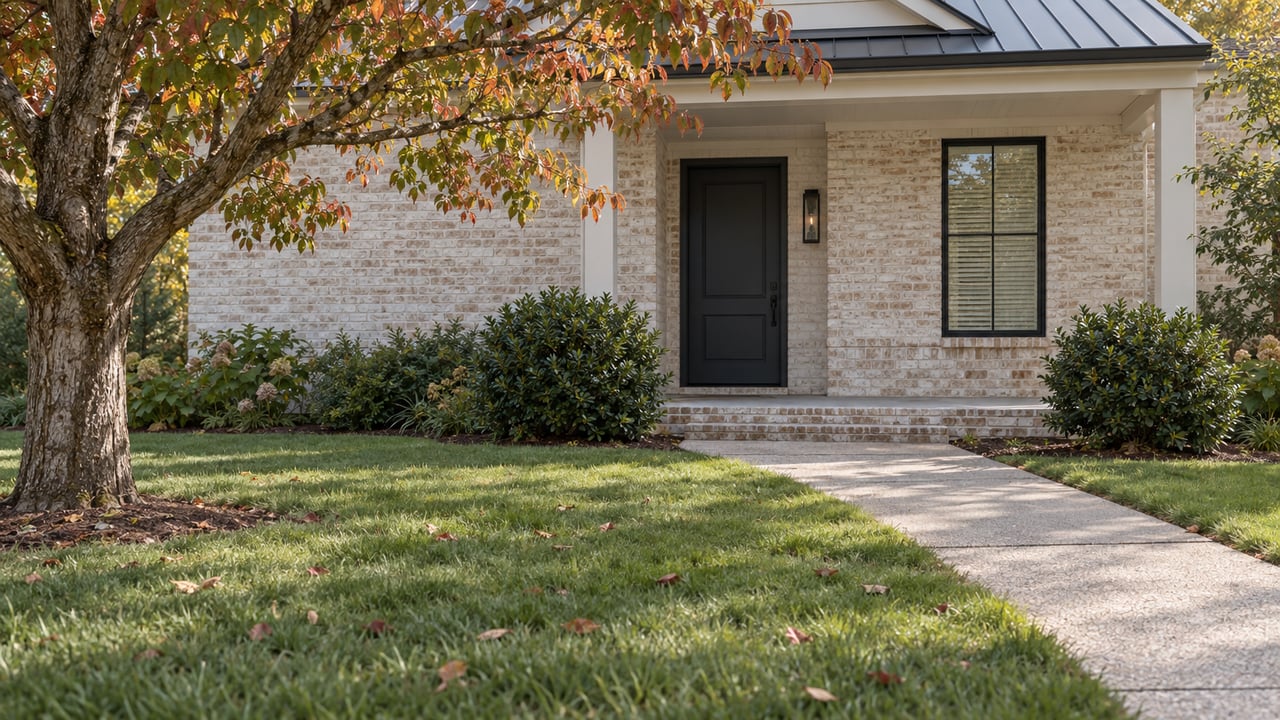
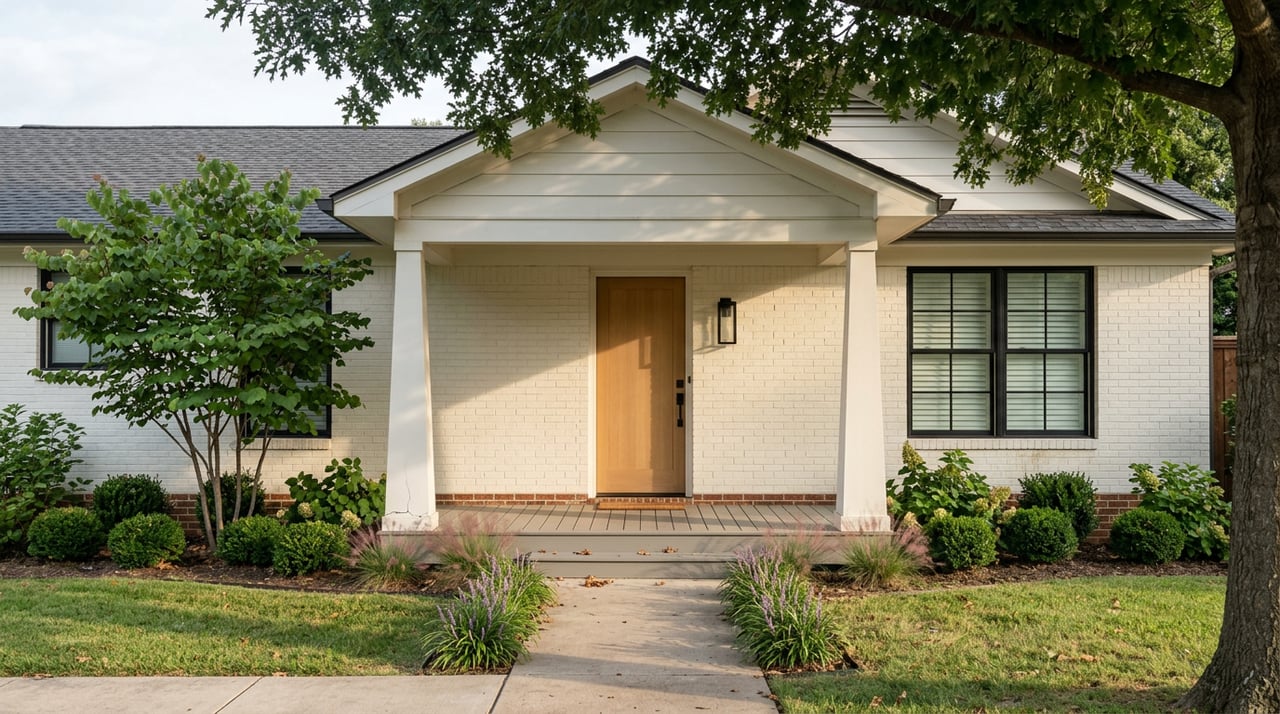
  • Focus on curb appeal. Trim landscaping, refresh mulch where needed, clean the driveway and entry, and ensure exterior lighting works for any evening visit.
  • Elevate interior condition. Deep clean, declutter, and remove excess personal items. If bold paint covers large areas, consider neutralizing those spaces prior to the appraisal.
  • Stage for function. Define each room clearly. Set up a dedicated home office, present the formal dining room, and dress outdoor living to show everyday use.
  • Highlight finishes and systems. Make it easy for the appraiser to see built-ins, custom cabinetry, appliance brands, and technology panels. Ensure access to mechanical rooms and pool equipment.
  • Communicate finish level. Provide a short, factual list of high-end materials and brands, with installation dates.

Inspection-day best practices

  • Turn on all utilities and set HVAC to a comfortable temperature.
  • Unlock and clear access to attics, mechanical rooms, garages, finished basements, guest quarters, and outdoor amenities.
  • Have your agent or a knowledgeable representative available to answer questions and point to documentation. It is appropriate to offer the appraiser packet, without directing the appraiser to a specific value.

If the appraisal comes in low

A lower-than-expected appraisal is not the end of the road. You have several options.

  • Submit a reconsideration package. Provide additional closed sales, clearer support for key adjustments, and documentation of upgrades. The lender handles this process and may request a review or a second appraisal.
  • Renegotiate or bridge the gap. The buyer might bring additional cash, or both parties can revisit price.
  • Plan ahead next time. For complex or thin-comp properties, consider a pre-listing appraisal to set expectations and support negotiations.

How your agent helps you prepare

A strong strategy starts before you list. Your agent can coordinate staging that presents true condition, organize documentation for high-impact systems and finishes, and prepare a concise comp packet that speaks the appraiser’s language. This approach reduces uncertainty, speeds verification, and helps the report reflect what the market is willing to pay.

If you want pre-sale improvements that can elevate condition, your agent can advise on targeted updates and timing so the home is appraisal-ready on day one. Integrated staging, premium media, and thoughtful distribution create a consistent market narrative that future appraisals can reference through closed sales.

Ready to set up your appraisal plan for a Brentwood sale? Request a private consultation with Angela Peach to align staging, documentation, and comp strategy before the lender ever calls the appraiser.

FAQs

What do appraisers look for in Brentwood luxury homes?

  • They focus on recent closed sales, proximity to comparable neighborhoods, gross living area, lot size and privacy, age and condition, construction quality, pools and outdoor living, and permitted guest quarters or additions.

How far back do appraisers go for comps in Williamson County?

  • Appraisers prefer closed sales within the last 3 to 12 months and as close to the subject as possible, expanding time or geography only when local comparable supply is thin and with documented rationale.

Do pools and outdoor living areas add appraised value?

  • Yes when supported by closed sales. Appraisers often use paired-sales analysis to isolate the market’s reaction to features like a pool, covered patios, or a fully outfitted outdoor kitchen.

Should I meet the appraiser at my home?

  • It is helpful for your agent or a representative to be present to provide access and a concise packet of upgrades and relevant comps. Avoid steering the appraiser to a target value.

Can staging raise my appraised value on its own?

  • Not directly. Appraisers value real property based on market evidence and objective condition. Strong presentation can support a better condition rating and smoother verification, which reduces uncertainty in the report.

How should a guest house or accessory dwelling be handled?

  • Provide permits, clarify how living area is counted, and supply any documentation on systems and finishes. The appraiser will value it based on comparable sales with similar guest quarters when available.

Ready for the real estate experience you deserve?

Start the Journey

Work With Us

Real estate is more than just a process or a transaction; it is a journey and a destination. As a multi-million and top 1% producer in the Greater Nashville area, Angela and her team can seamlessly guide you throughout all your real estate ventures.

Follow Angela's Instagram